Biophilia


“Biophilia is the innately emotional affiliation of human beings to other living organisms.”

- Edward O. Wilson, in The Biophilia Hypothesis (Kellert & Wilson, 1993)


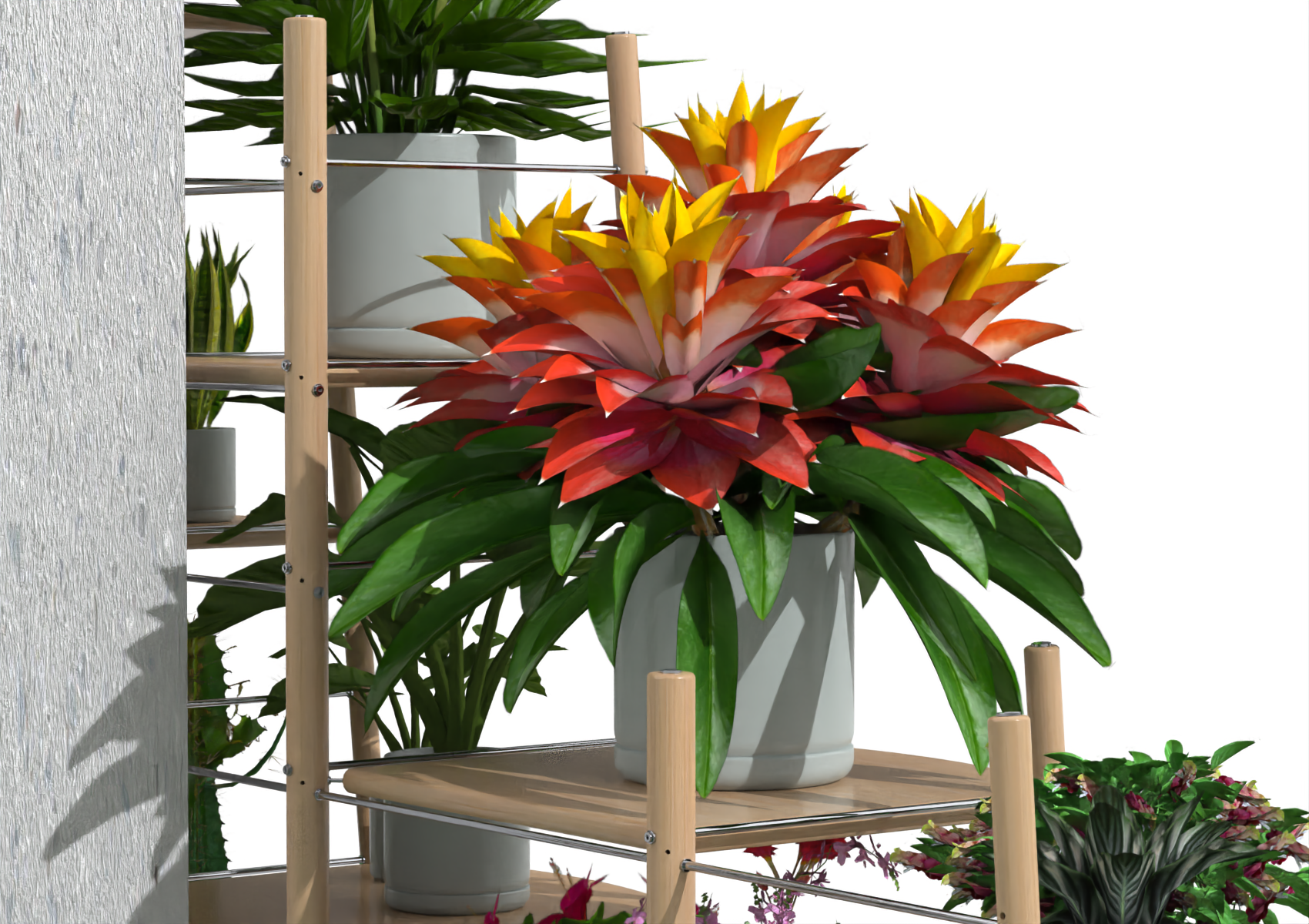
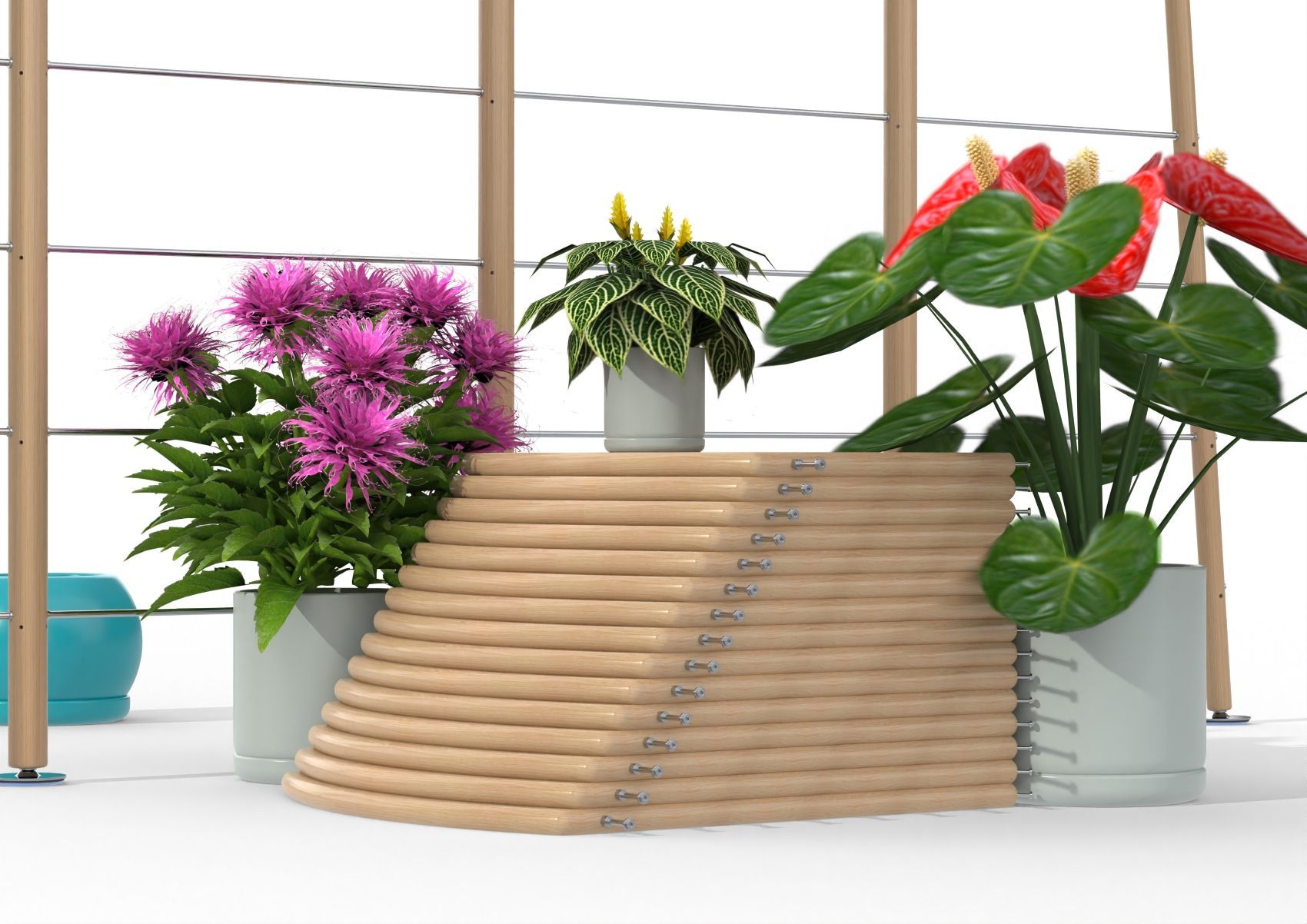
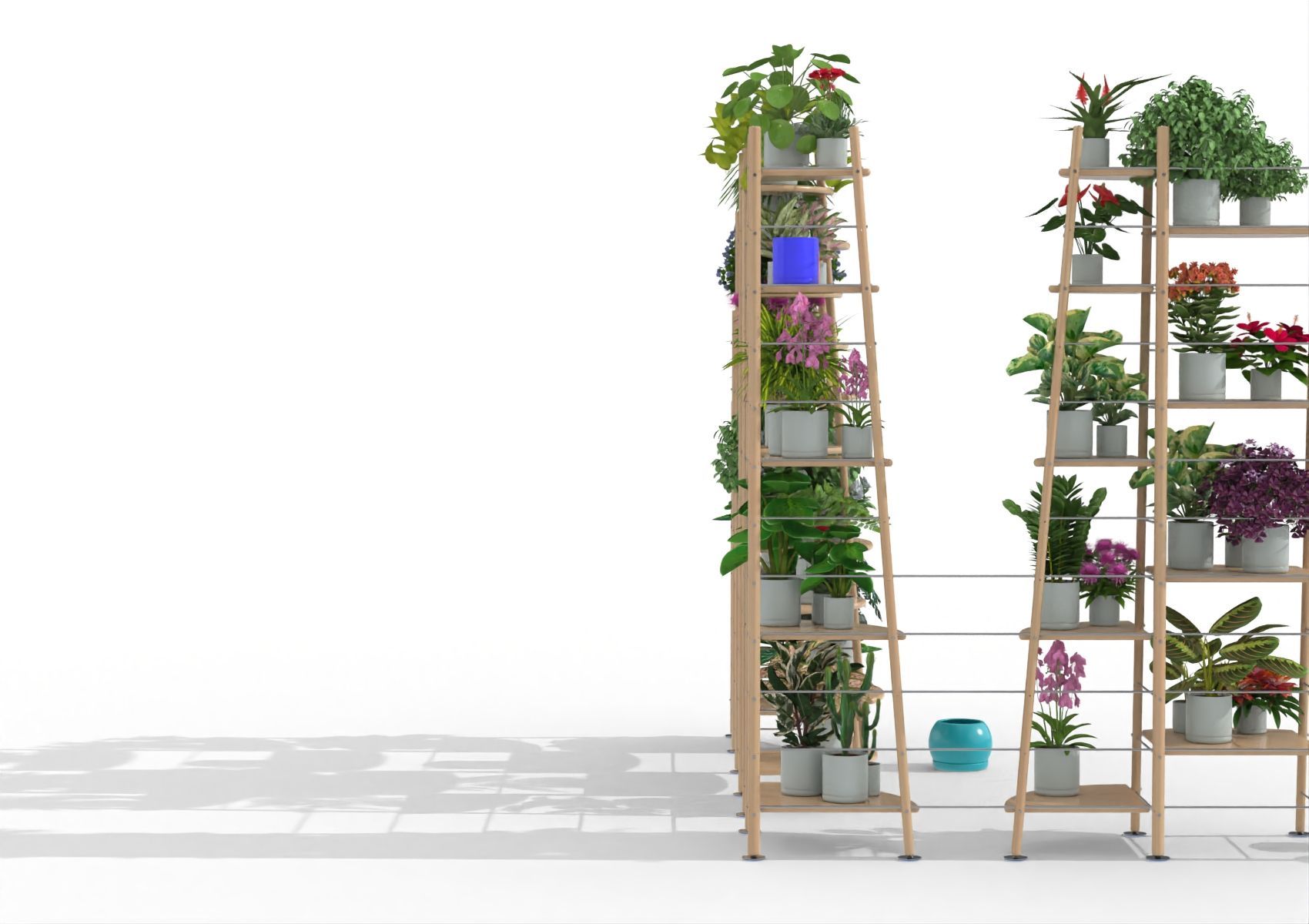
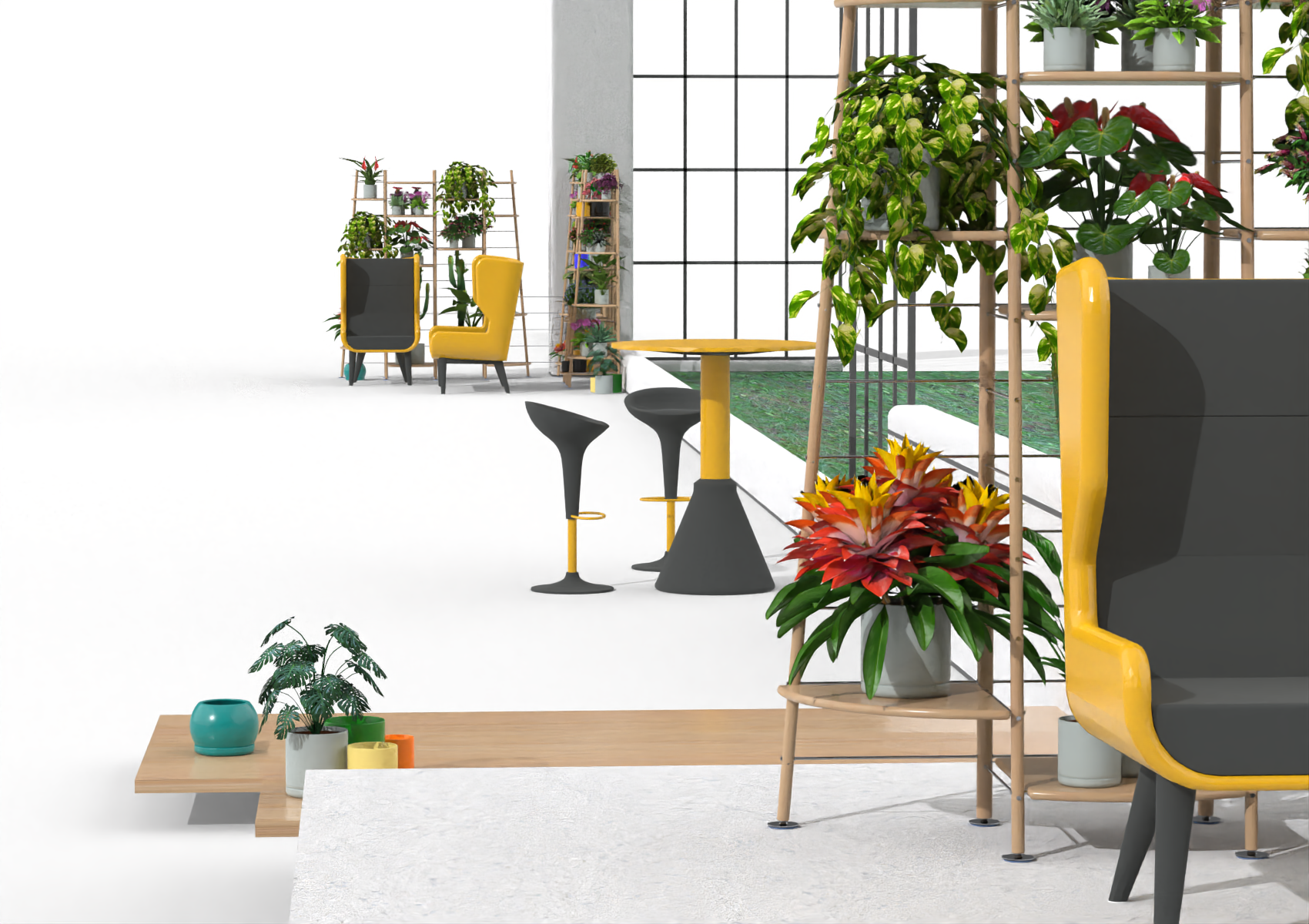
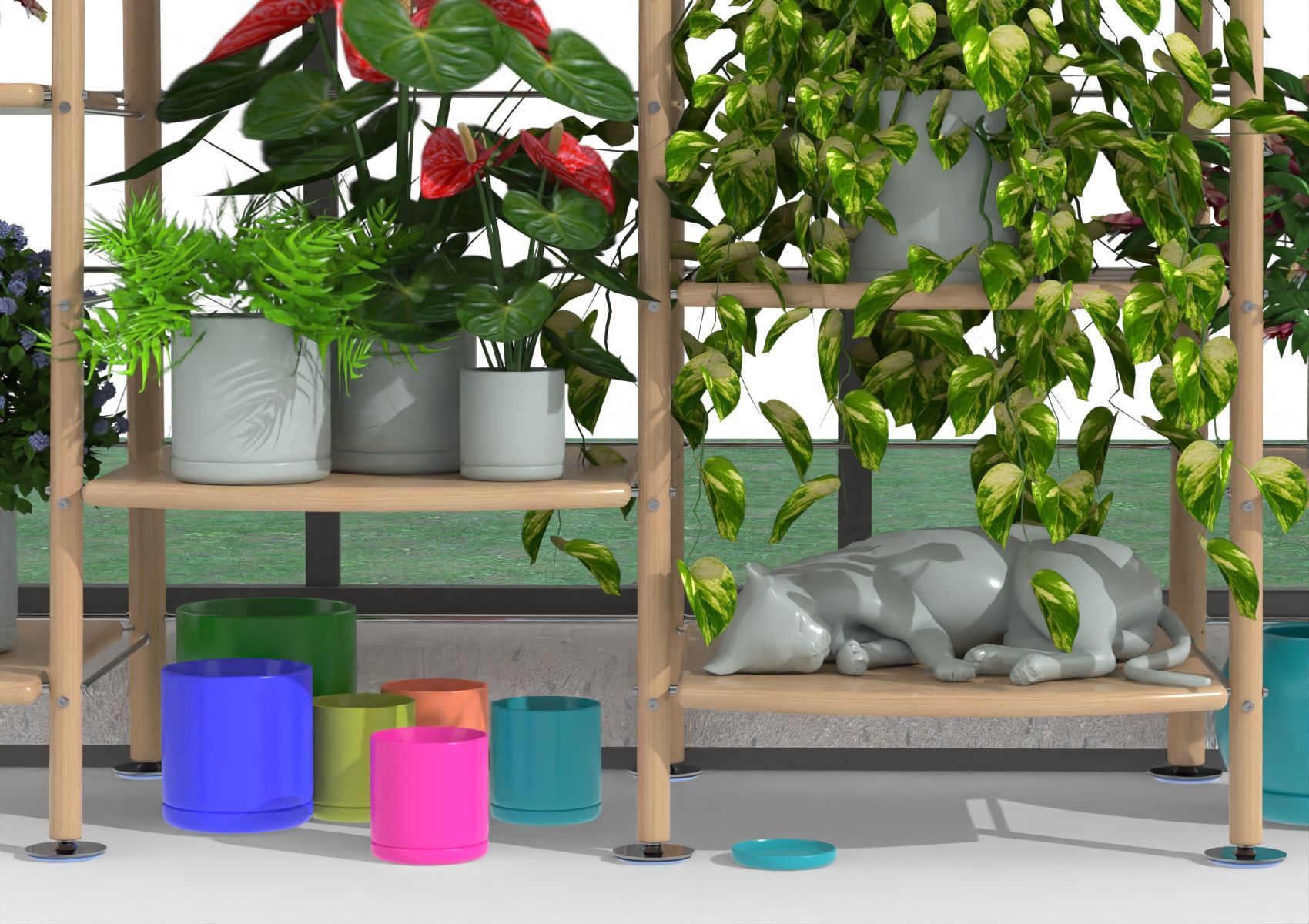
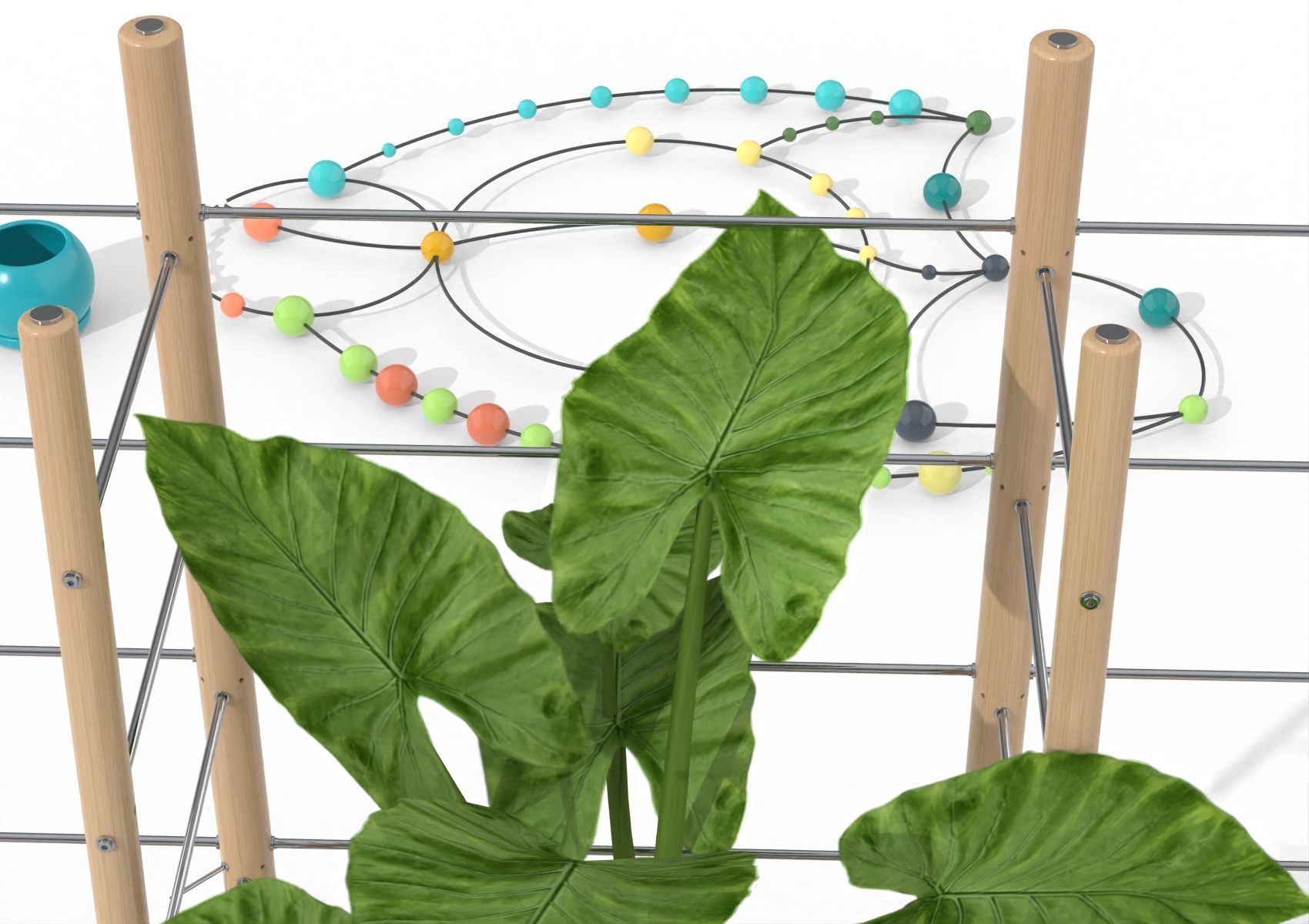
Biophilia describes the human affinity for life and natural presence - a tendency that shapes how we experience comfort, calm and connection in interior spaces. Bio.frame supports this by bringing botanical life into the space in a structured, intentional way. Its modular framework holds planting at different heights and densities, creating clear sightlines to foliage while allowing natural variation, growth and seasonal change to become part of the environment. Oak and stainless steel contribute a quiet material connection, balancing clean geometry with organic layers. These qualities together bring a biophilic character to the interior: spaces that feel more relaxed, more naturally connected and shaped by the gentle presence of botanical life.


Visual connection

with nature

Bio.frame is built to hold botanical presence at multiple heights and densities, creating clear sightlines to living foliage and natural variation. This is the primary effect of any Bio.frame installation.


Non-visual connection

with nature

Botanical presence introduces quiet sensory cues - scent, moisture, slight airflow movement, and natural textures - contributing to a more settled atmosphere.


Non-rhythmic sensory

stimuli

Minute natural changes occur continually: a new leaf, a shift in growth direction, slight movement, light passing through foliage. These soften the environment without demanding attention.


Connection

with natural systems

Bio.frame supports living cycles: growth, seasonality, variation, and the slow process of plants responding to light and care. Spaces feel more “alive” because the installation evolves over time.


Material connection

with nature

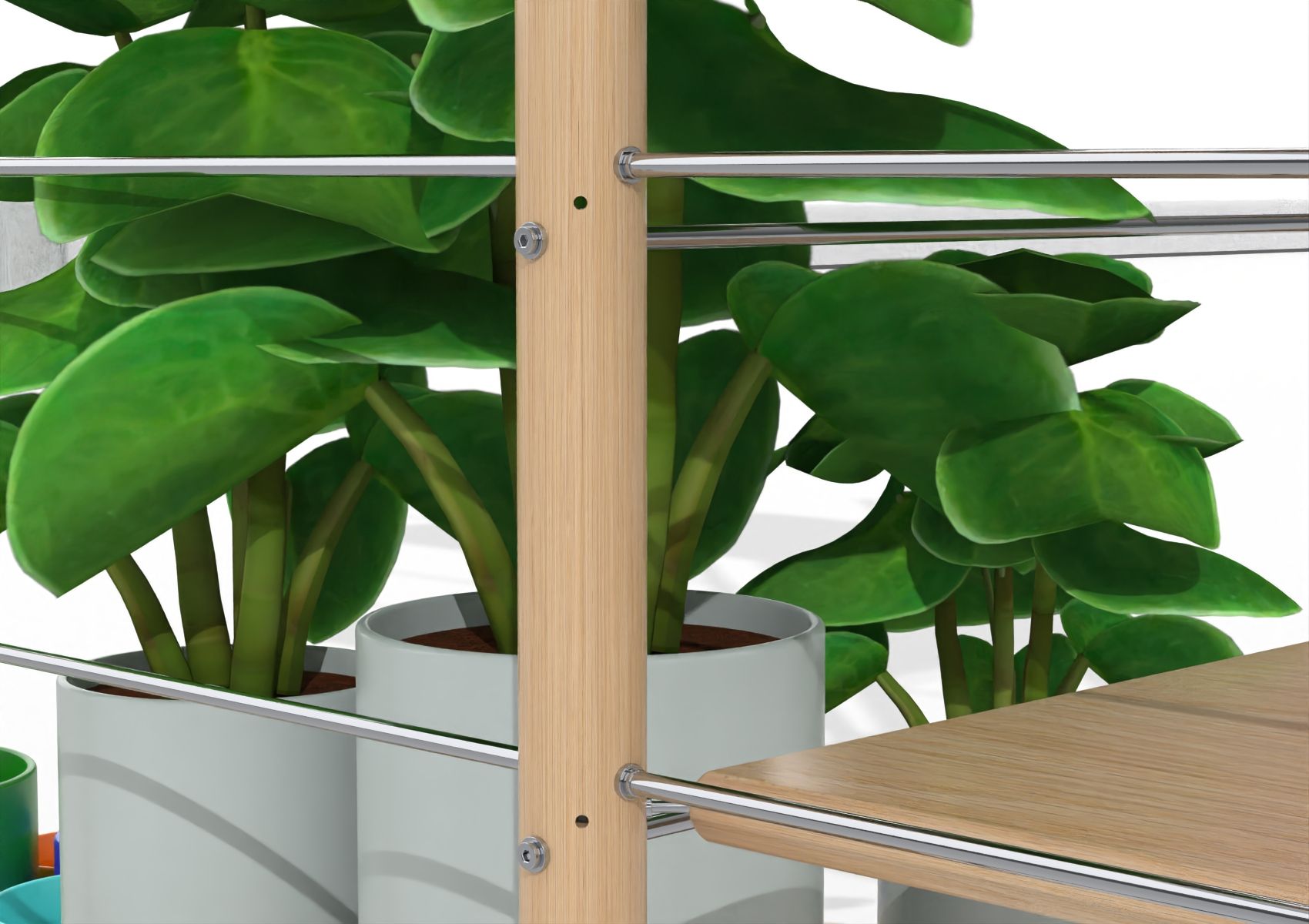
Oak introduces natural tactility and visual warmth. Its grain, tone and softness align with the less-is-more approach and reinforce the connection to natural materials.


Complexity &

order

The system balances clean geometry (order) with plant variability (complexity). The modular grid establishes structure; botanical layers bring organic variation. This balance is a hallmark of calming environments.


Prospect

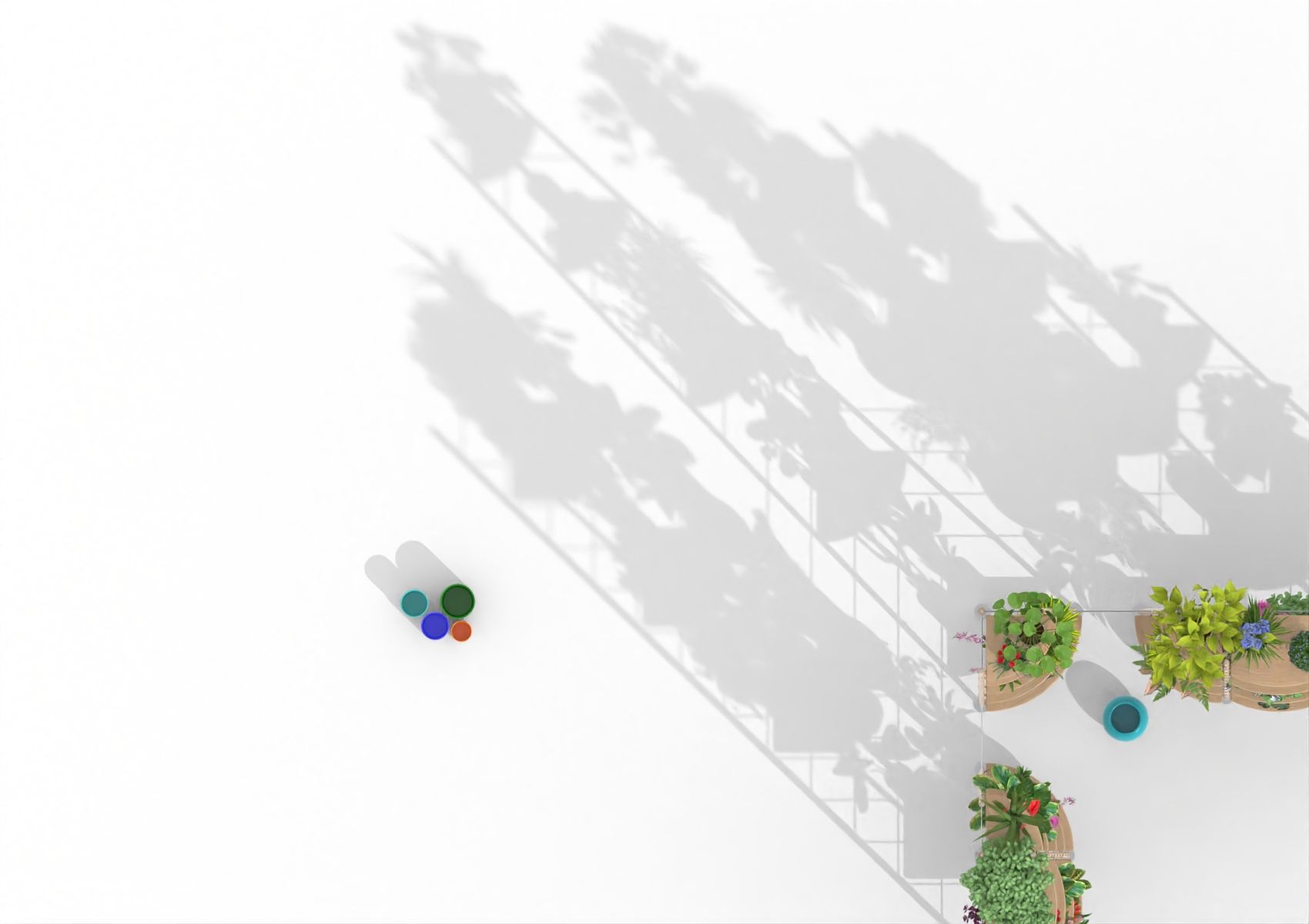
As a divider or freestanding feature, Bio.frame can open sightlines, create partial visibility, or define space gently without blocking light.


Refuge

Dense planting on one side creates sheltered zones with a softened boundary. Reading corners, work areas, or rest spaces can feel more enclosed without being closed.


Mystery

Layered planting, varying density and partial sightlines introduce subtle visual intrigue - you see “through” the installation but not everything at once. This is not dramatic, but it contributes to calm interest.


* The biophilic pattern names listed on this page are derived from "14+ Patterns of Biophilic Design: Improving Health and Well-Being in the Built Environment", by: Browning, W.D., Ryan, C.O., & Clancy, J.O. (2014, 2024): www.terrapinbrightgreen.com/publications